
 Español
 العربية
 Francés
 Русский
 Português
 German
 Italian
 Polish
 Melayu
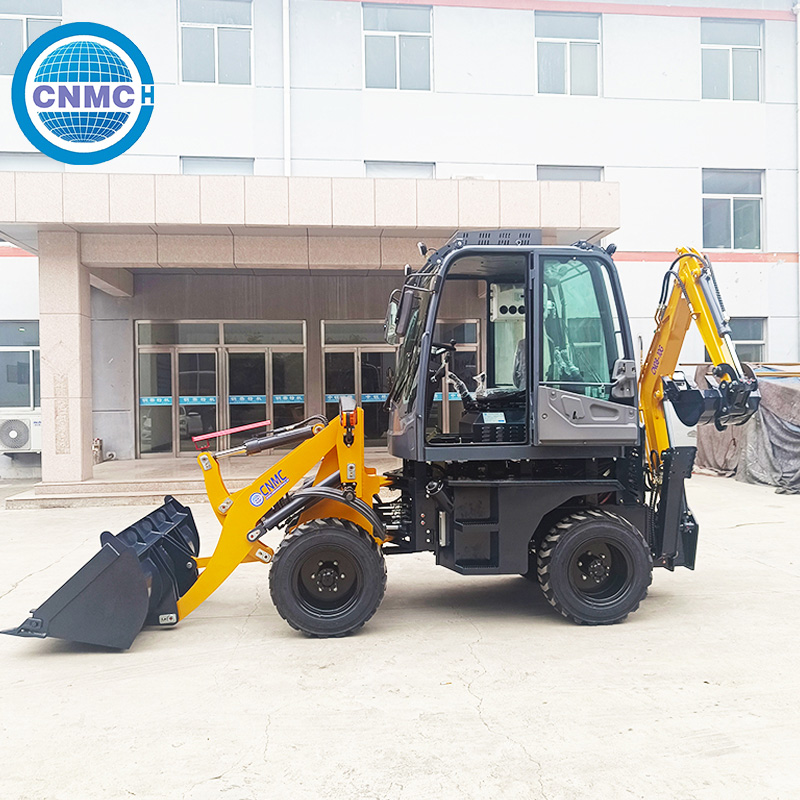
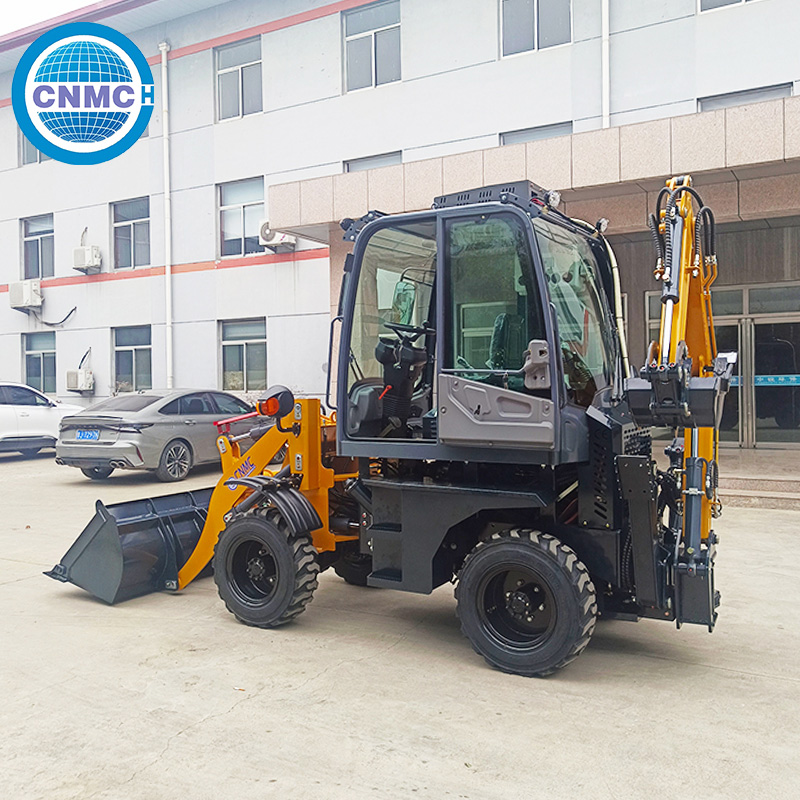
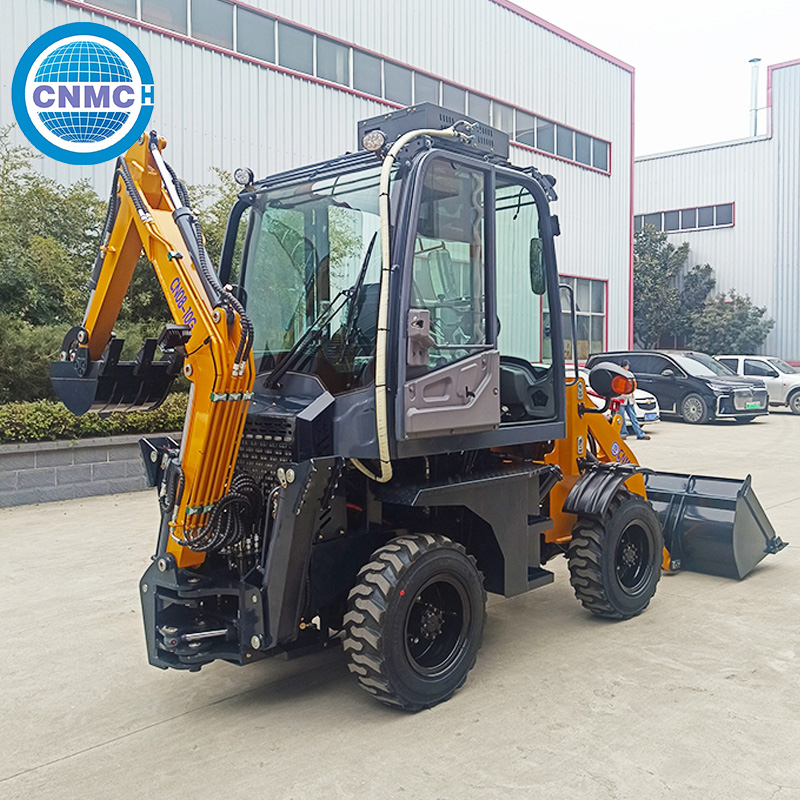
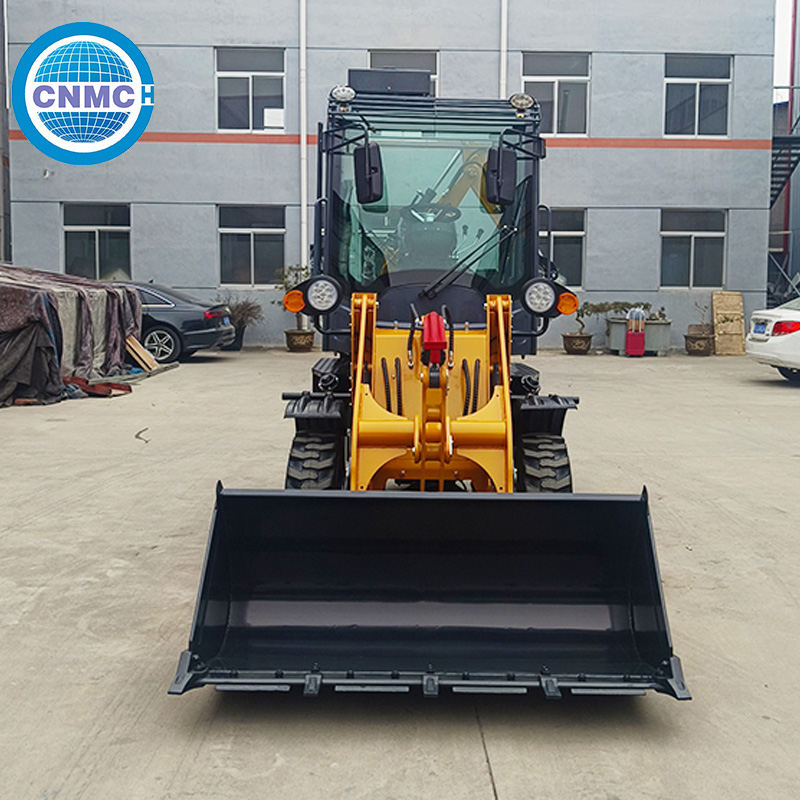
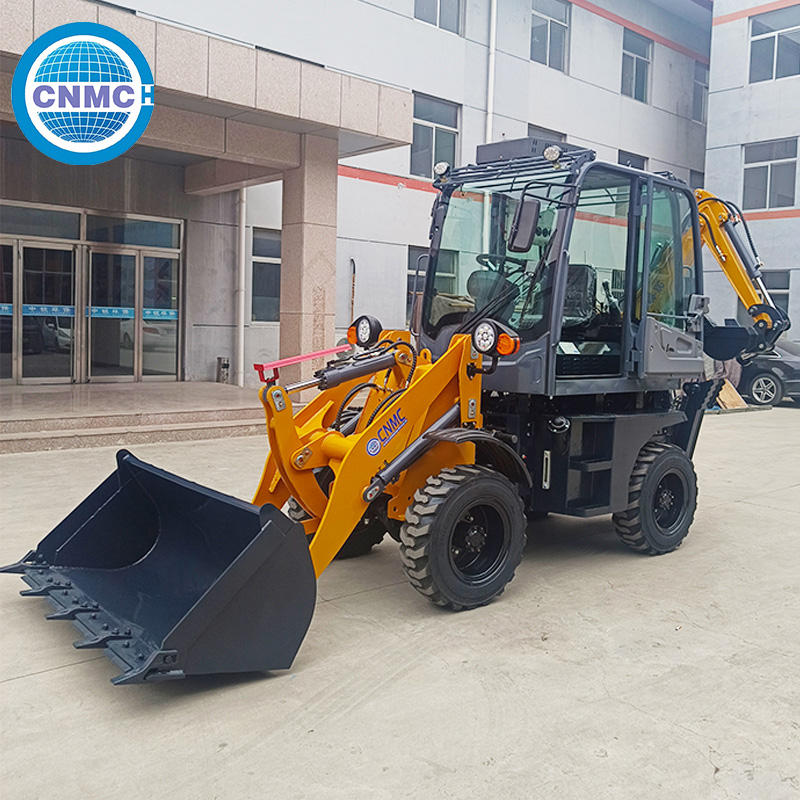
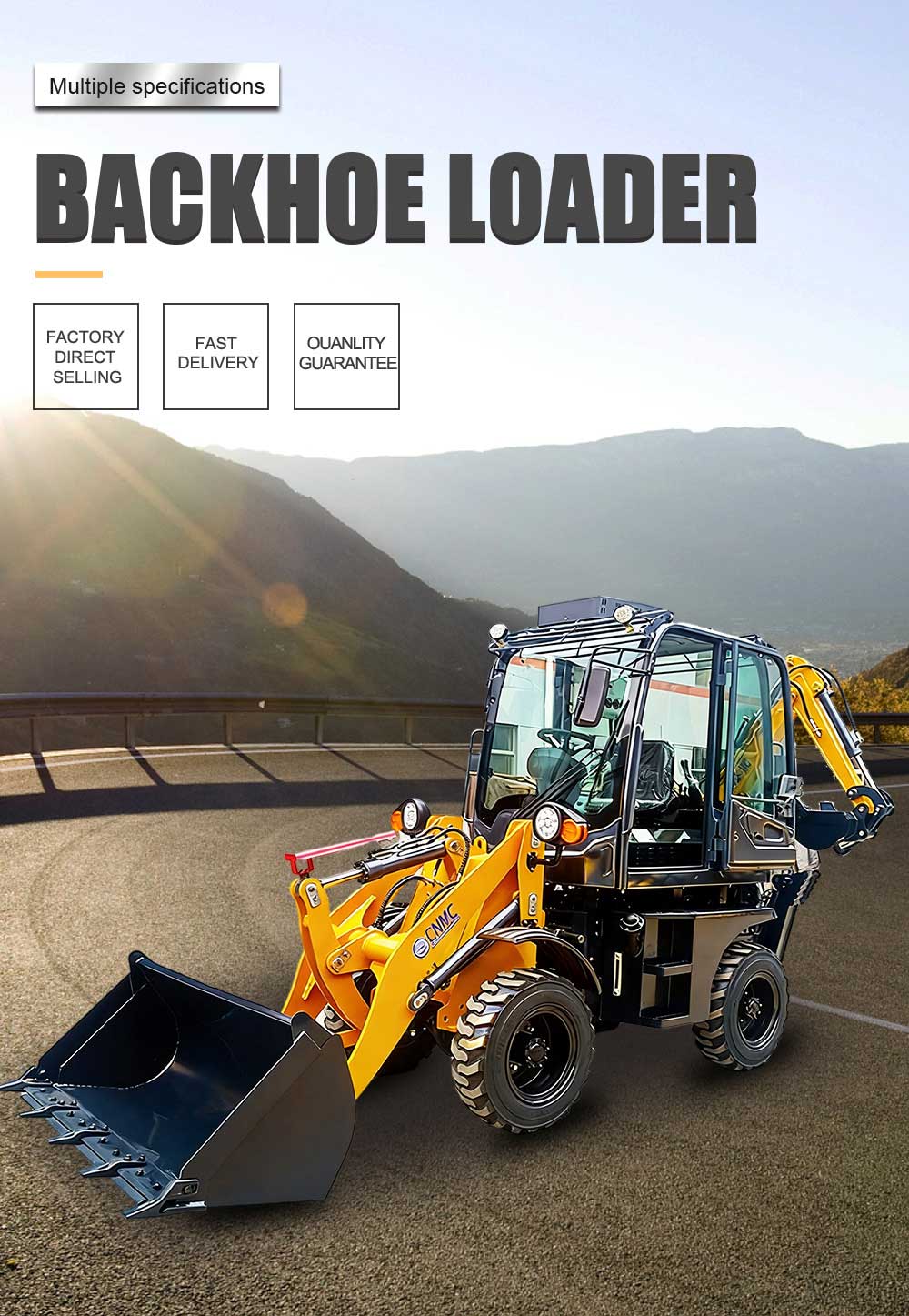
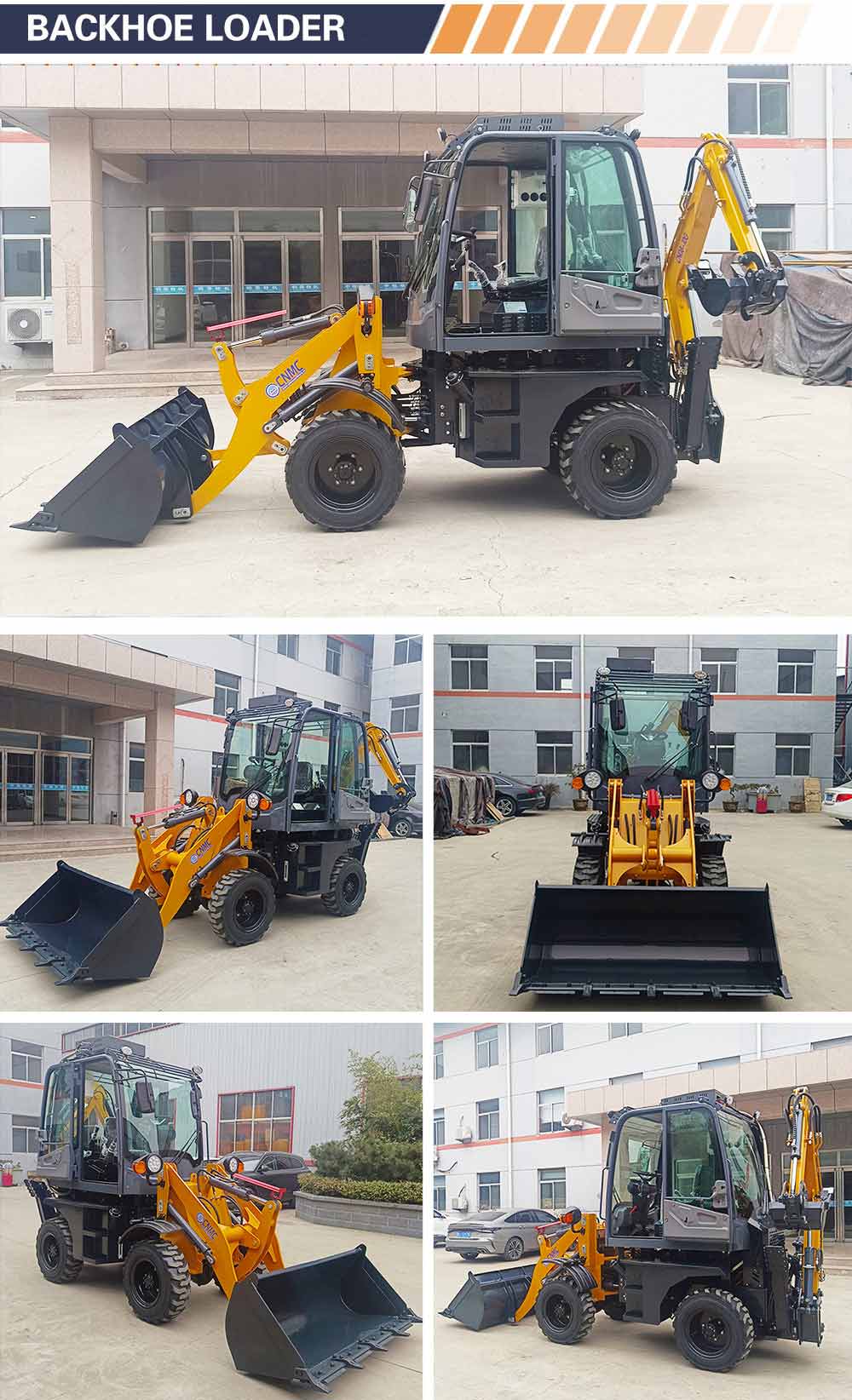
4x4 Backhoe Loader with Mechanical Thumb
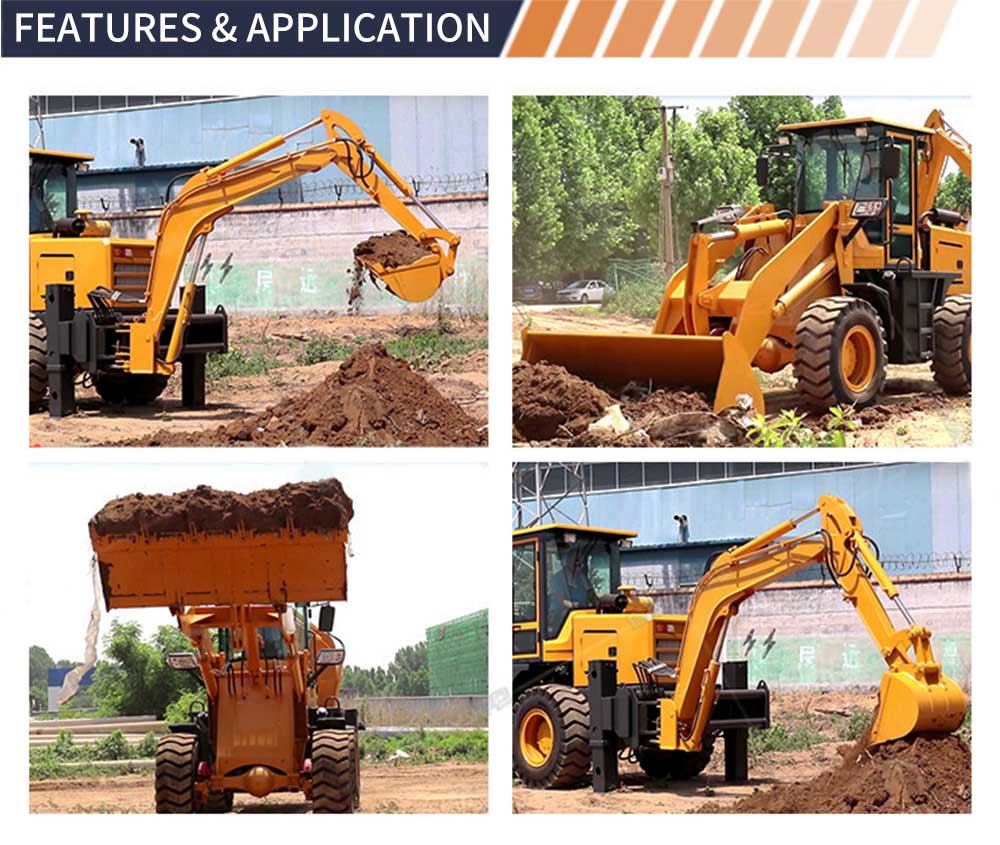
This is a backhoe loader for the guy who shows up to a job with one machine and does everything – digs the trench, breaks the asphalt, loads the truck, backfills the hole, grades the yard. It's a center‑pivot machine with a 4‑cylinder diesel, a mechanical transmission, and enough hours left on it to pay for itself twice.
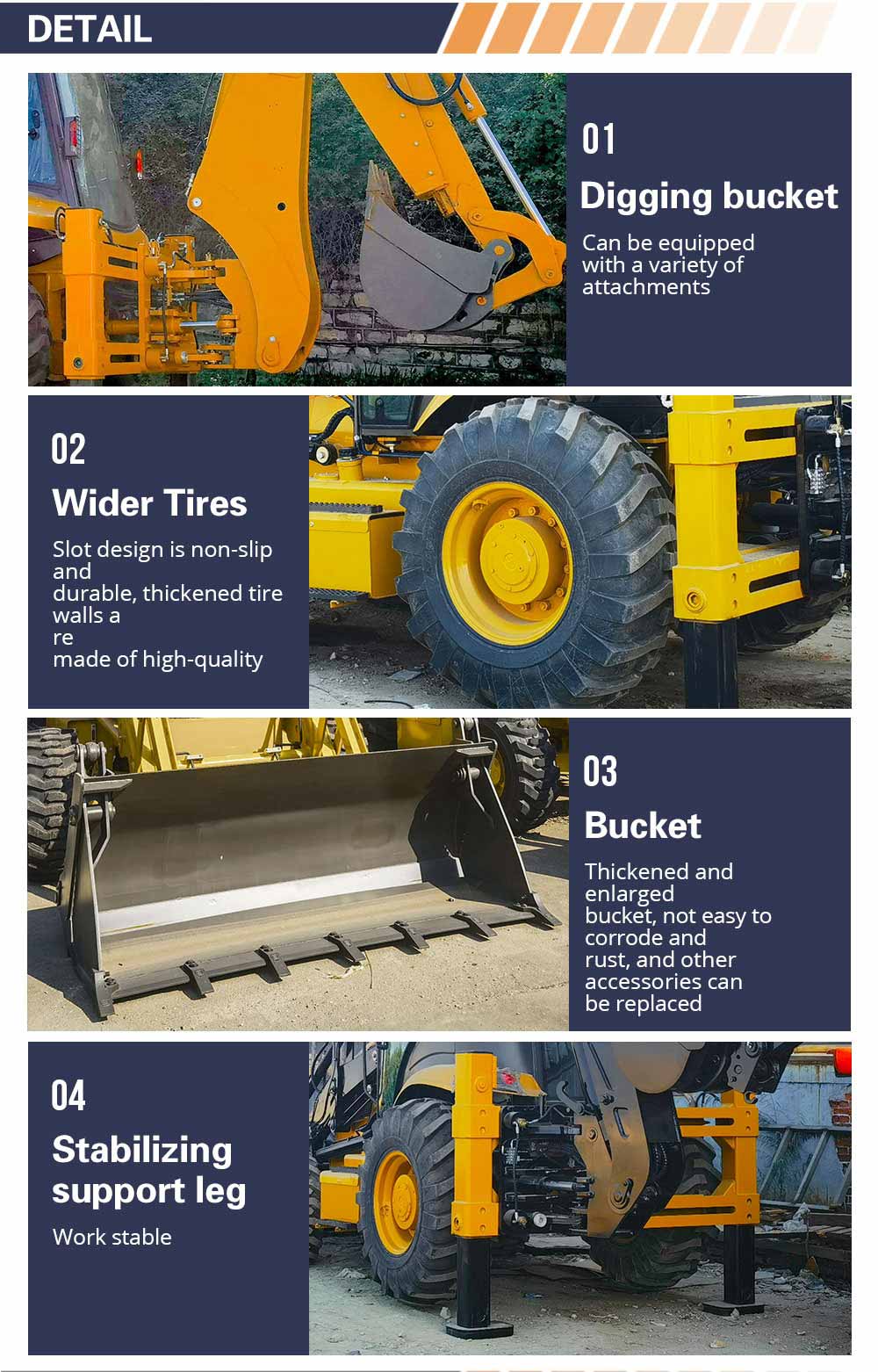
The front end is a 1‑cubic‑yard general‑purpose bucket with a bolt‑on cutting edge. The loader arms are Z‑bar linkage – when you curl back, it pries hard. Lift capacity is about 4,000 pounds to full height. You can lift a pallet of block, a skid of bags, or a good heaping load of wet sand. The bucket level indicator is a simple rod on the arm – you look at it, you know if the bucket's flat.
The back end is a 14‑foot digging depth excavator with a mechanical thumb. The boom swings 180 degrees, so you dig around corners without moving the machine. The dipper stick is the standard length – long enough to reach the bottom of a basement, short enough to not flop around on shallow work. The bucket cylinder has a relief valve so you don't bend things when you hit rock.
The Hoe Doesn't Jerk When You Feather It
The pilot controls are smooth. You move the lever an inch and the dipper moves an inch – not a foot. That matters when you're working next to a water line or setting a pipe on grade. You can creep up on the work instead of slamming into it.The Loader Bucket Dumps High Enough to Clear a Dump Truck
Full height is 9-plus feet at the hinge pin. You back a tandem axle under the bucket, curl out, and the material falls right in the middle. No climbing the sides, no shaking the truck, no waiting for the tailgate to clear.The Steering Wheel Turns Lock to Lock in Two and a Half Turns
Quick steering means you spin around in a driveway without cranking the wheel forever. The articulation joint does most of the turning anyway – the wheel just tells it where to go. Less arm work on a long day of loading.You Can Change a Hydraulic Hose Without Taking Anything Else Apart
The hoses are routed in open looms, not buried behind steel plates. When one blows – and hoses blow – you get a wrench, spin it off, spin a new one on. You're back digging in an hour instead of spending the afternoon playing hide‑and‑seek.The Stabilizer Controls Are Right Next to the Hoe Levers
One hand stays on the joystick while the other drops the feet. You don't reach across the cab or look down to find the switch. Level the machine, dig the hole, pick up the feet, drive to the next spot – all without shifting your body around.